
Local Government & Councils
Fleet management for councils.
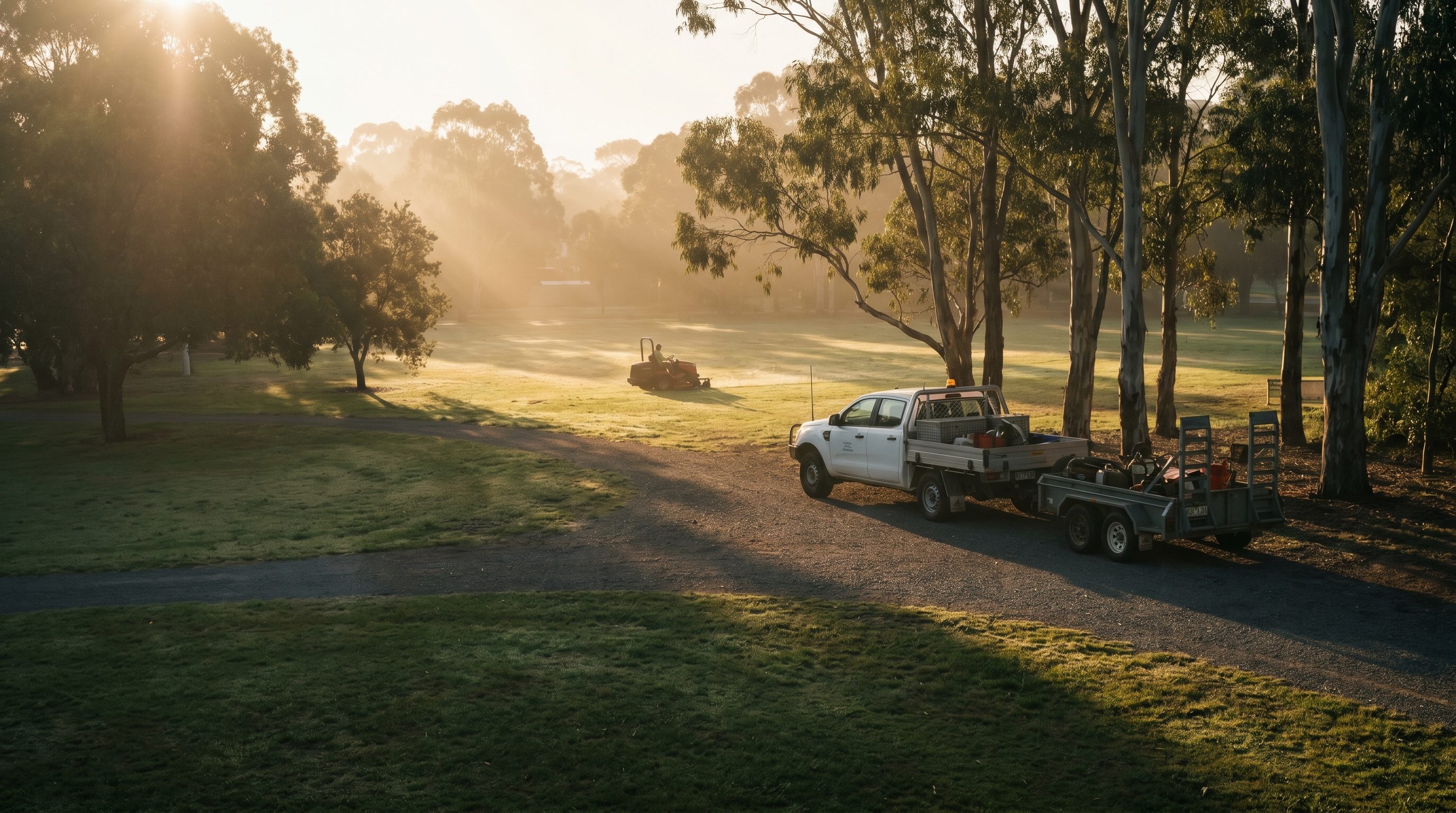
Sensium designs fleet telematics for the way councils actually run - vehicles shared across departments, costs reported by team, electric and diesel vehicles side by side, and assets that have to last. Australian-made hardware, and software written for the people who run public sector fleets.
30 minutes, configured to your council's fleet. We respond within one business day.
- LGP Fleet Management panel
- QFleet Telematics panel
- NZ All-of-Government panel
- ORIX NZ preferred partner
Why councils choose Sensium
The three differences councils notice first.
Built, not resold
“We own the hardware. We own the firmware. That's how we say yes.”
We can say yes to custom requests.
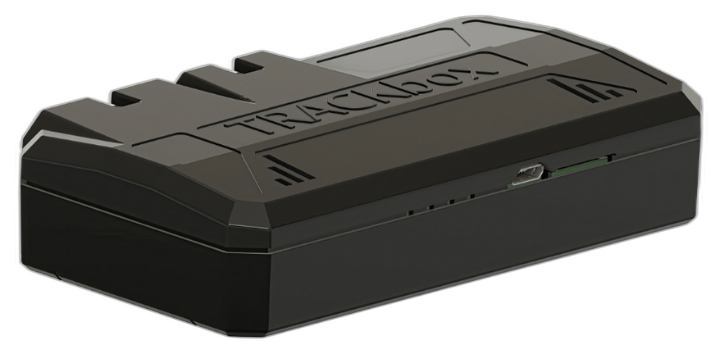
A council fleet manager asked for a 115 km/h speed buzzer. Four days later it was live on their in-field TRACKboxes. Sensium designs the TRACKbox in Australia and writes the firmware in-house - that is why we can build requests like this ourselves.
Built for shared fleets
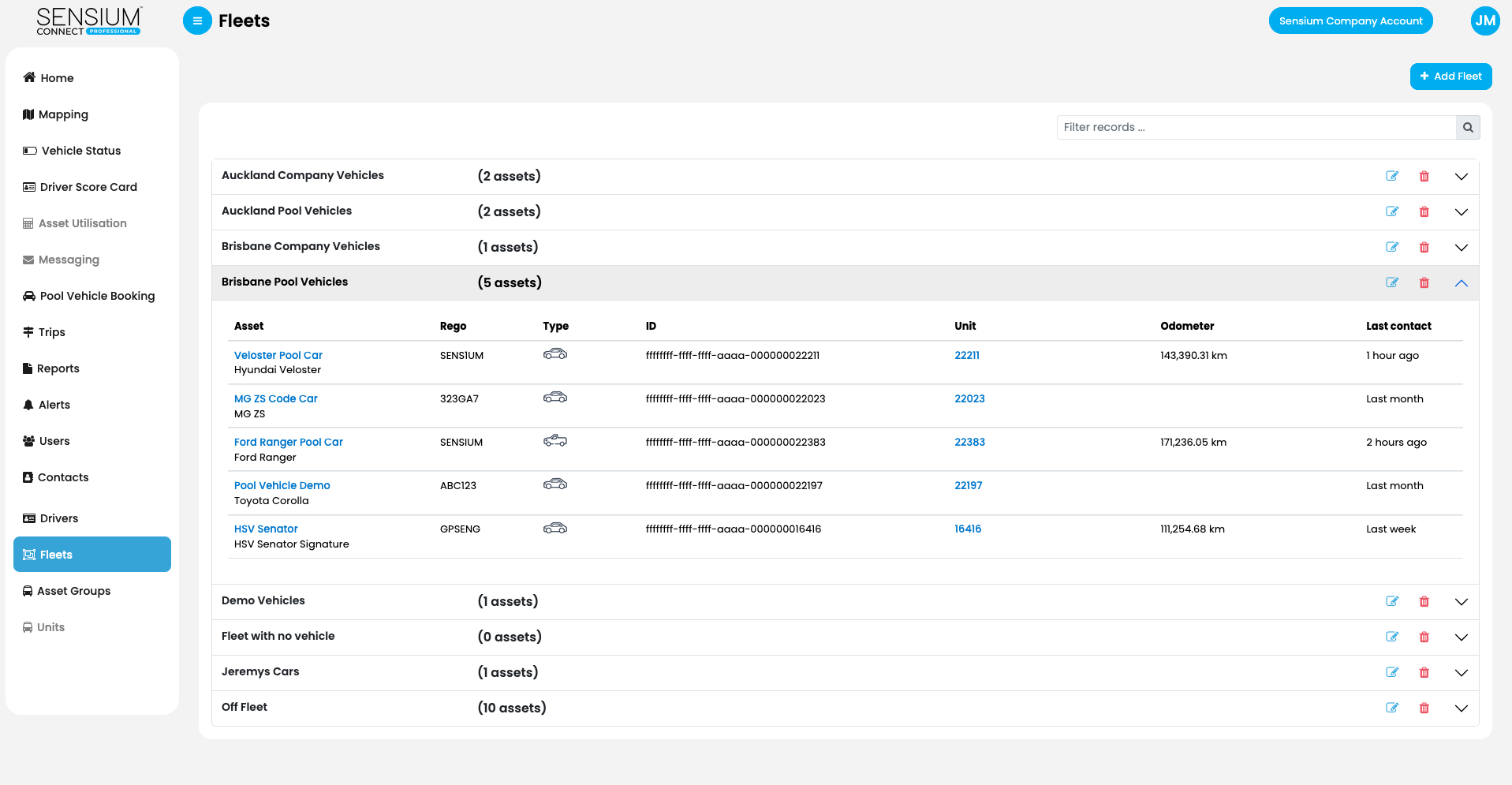
Cost centres, pool cars, and mixed electric and diesel fleets on one platform.
Council fleets are not homogeneous. Sensium Connect+ handles cross-department permissions, depot-level utilisation reporting, mixed EV and ICE visibility, and pool booking with cross-team sharing. One platform across every department.
Sensium Connect — real customer data anonymised
Written for procurement
Connect+ · all tiersPublished pricing, flexible contract terms, and hardware built to last.
Sensium publishes pricing, runs flexible contract terms, and designs hardware for ten-plus year deployments. The longer the hardware lasts, the lower the council's total cost of ownership.
- GPS + True Path
- Pool car management
- Driver safety + duress
- AI video
- EV + ICE
- Remote access
- Reporting
- Compliance + sovereignty
Core Connect+ software modules included.
Hardware, accessories, monitoring and specialist integrations quoted as required.
- Run a smaller fleet.
- 10–20%
- the typical fleet-size reduction when your departments share pool vehicles instead of buying their own
- See every vehicle, every second.
- 1 second
- True Path telemetry samples every second - most providers poll every two minutes
- Stop replacing hardware.
- 10+ years
- typical TRACKbox deployment - some units are still in service after seventeen
- Procurement, pre-approved.
- 3 panels
- LGP (AU councils), QFleet (Queensland) and the NZ All-of-Government panel
See these numbers against your own fleet - 30 minutes.
Trusted across Australasia
Purchasing through government panels.
Sensium serves councils across Australia and New Zealand, from rural shires to capital-city departments. Hardware built locally, data hosted in Australia, contracts written for procurement, and three panel purchasing routes for eligible buyers.
01
LGP Fleet Management Services panel
Australian councils can engage Sensium through the Local Government Procurement panel, subject to panel eligibility.
02
QFleet Telematics Panel
Queensland Government agencies and departments buy through the established QFleet framework.
03
NZ All-of-Government Telematics Panel
New Zealand government agencies at any tier procure Sensium through the pre-approved AoG framework.
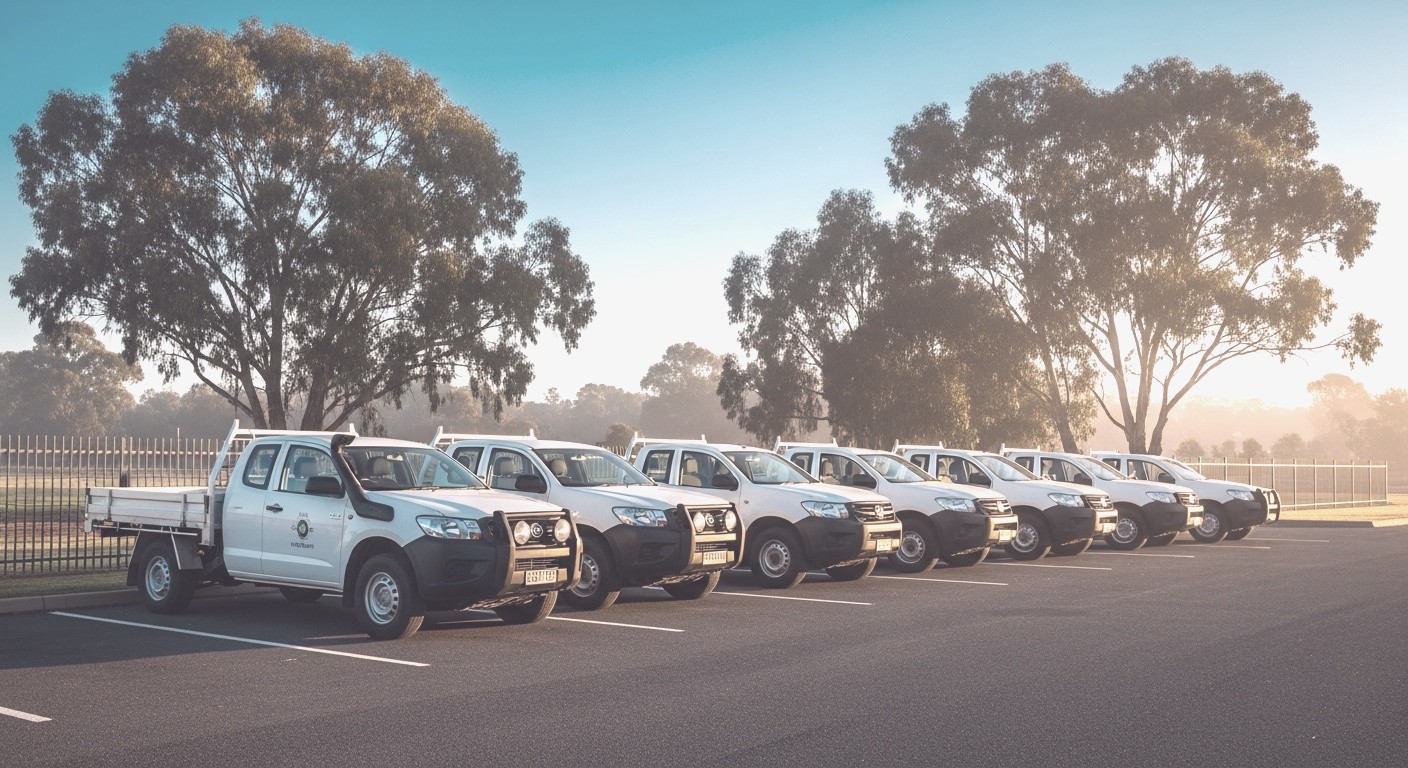
Council fleets
Vehicles shared across departments. Costs reported by team.
The hardware that fits a council fleet
Three TRACKboxes. Every vehicle and asset.
Most councils run a mix of all three — their powered on-road fleet, the non-powered assets they tow and store, and crews working past cellular coverage. Sensium designs hardware for each, and they all report into one Sensium Connect+ dashboard.
Hard-wired
TRACKbox TB2
Hard-wired in the powered fleet — cars, utes, trucks, mowers, ride-ons. The unit underneath most council vehicles on the road today.
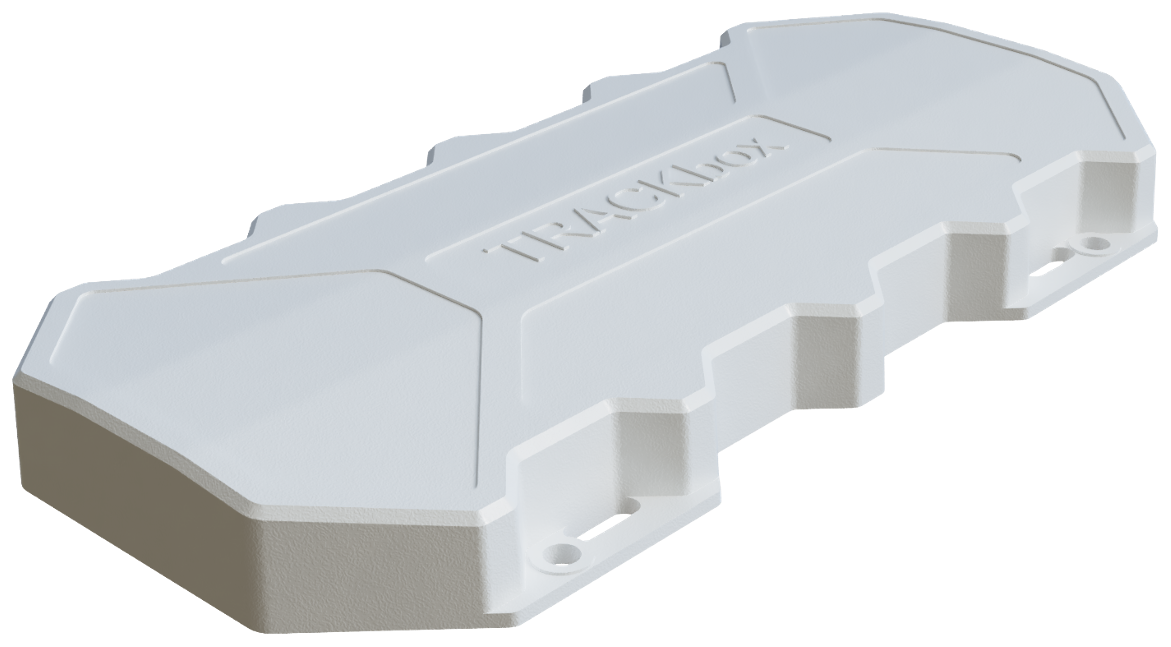
Non-powered assets
TRACKbox TB3
On every non-powered asset the council owns — trailers, generators, water carts, light towers, towed plant. Self-contained, battery-powered, sealed for outdoor exposure.
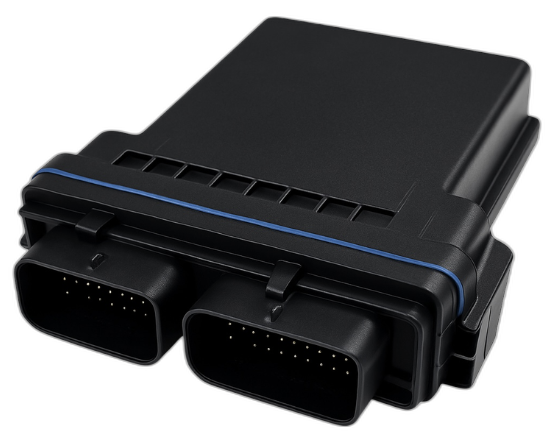
Satellite-ready
TRACKbox 4
For crews working past cellular coverage — rural parks, regional roads, environmental health rounds. Cellular + Direct-to-Cell satellite failover in the same device.
Not sure which units fit your fleet mix? We'll map it in one call.
Talk to a council fleet specialistProof at scale
Twenty years running fleets like yours.
The same platform runs council, government, utility, mining, agricultural, and logistics fleets. Thousands of vehicles across Australia and New Zealand, on True Path one-second telemetry. Hardware built locally. Data kept in-region. The same backbone running enterprise and rural fleets right now.
3
government procurement panels - LGP, QFleet, and the NZ All-of-Government Telematics Panel
10+
year typical hardware deployment, with some devices still in service after seventeen
1 second
True Path telemetry intervals - most providers poll every two minutes
Australian-made hardware, firmware written in-house, data hosted in Australia.
What councils actually get
Run the whole fleet from one dashboard.
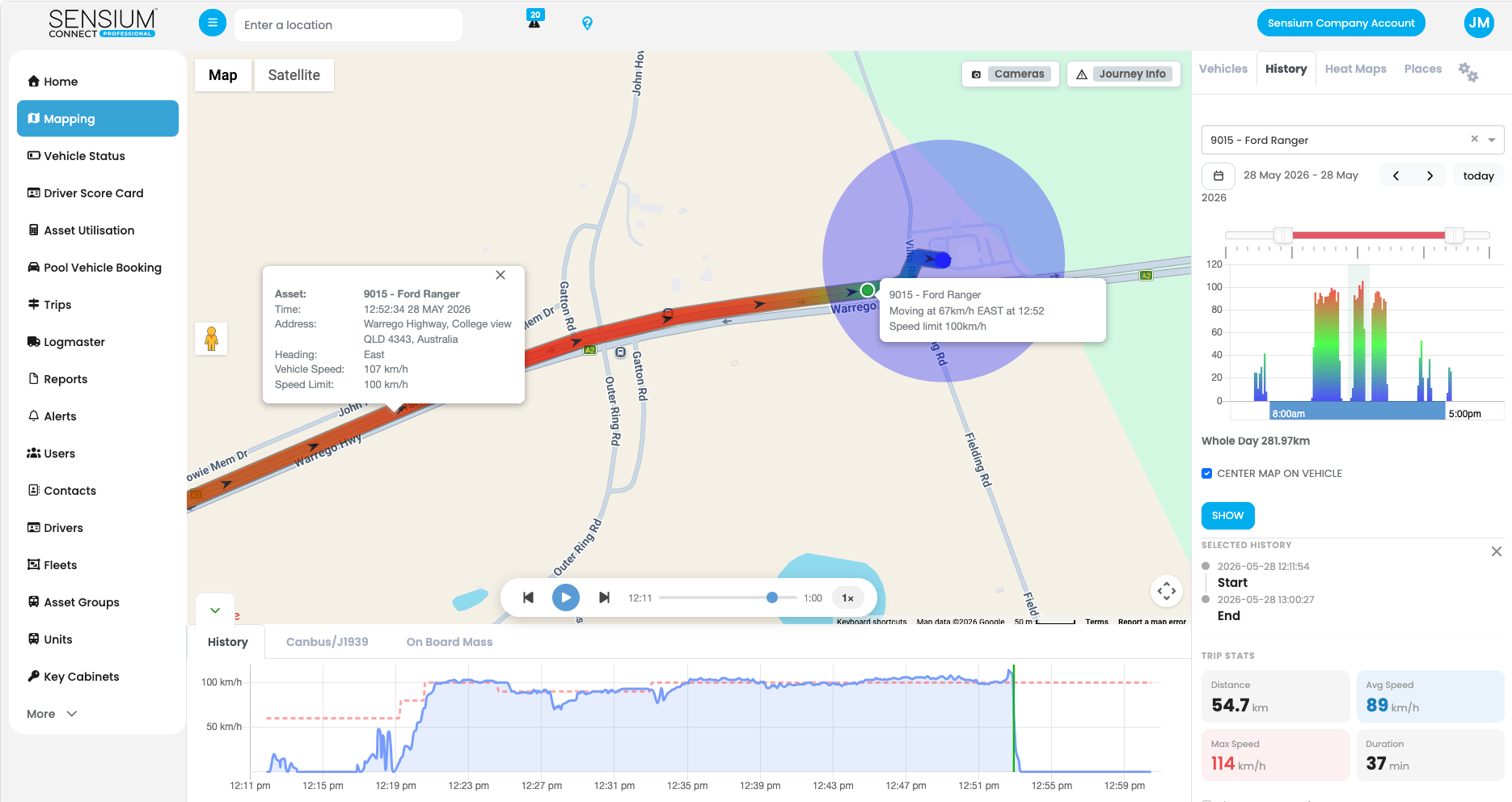
The Sensium Connect+ platform ships with the core software modules below included. Hardware, accessories, monitoring and specialist integrations are quoted as required. The list is what councils have asked for and what we have shipped.
-
Module 01
GPS fleet tracking + True Path
- Real-time vehicle position with one-second telemetry intervals. Most providers poll every two minutes - that is the difference between knowing where every vehicle is and where every vehicle was, two minutes ago. True Path captures the path the vehicle actually took, with route replay, geofencing, and arrival / departure events at every council depot, sub-station, or worksite.
-
Module 02
Pool car management
- Cross-department booking with RFID handover. EV-aware allocation. Lease-aware - the vehicle is booked back when its lease return is approaching. Built for the council reality where the parks team needs a ute on Tuesday and the planning team needs the same ute on Thursday.
-
Module 03
Driver safety + panic / duress
- Lone-worker safety. Panic / duress button on the in-vehicle hardware with back-to-base alerting. Compliance with the rising bar on lone-worker regulation across Australia and New Zealand. Pairs with a LoRa-tethered driver pendant for off-vehicle workers - depot staff, parks crew, environmental health officers.
-
Module 04
AI video telematics
- Up to a six-camera array per vehicle. Driver-facing optional. Automatic incident detection with clip retention and chain-of-custody for evidence. Used for council fleet liability defence, training feedback, and the rare formal incident review.
-
Module 05
EV + ICE fleet
- State of charge monitoring on EVs. Mixed-fleet visibility on a single dashboard. Depot charging insight - which charger is busy, which is free, which is broken. The EV fleet does not have to live on a separate platform.
-
Module 06
Remote vehicle access
- Lock and unlock vehicles, disable engine, all over an encrypted RFID-based connection. Used for council depot optimisation - the right driver gets the right vehicle without depot keys - unattended hire, and fleet recovery.
-
Module 07
Reporting and dashboards
- Utilisation reporting per cost centre, per depot, per vehicle class. Executive summaries written for council CFOs and fleet managers, not for IT operators. AI-assisted insight - which vehicles are under-utilised, which depots are over capacity, which routes have changed.
-
Module 08
Compliance and data sovereignty
- Telemetry data hosted in Australia, on Australian servers, with clear control over who can access what. Encrypted in transit and at rest. Role-based access control. Audit logs for the procurement and security reviews council fleets routinely face.
The modules above are included in the Sensium Connect+ platform. Hardware, accessories, monitoring and specialist integrations are quoted as required.
Pool & shared vehicles
Share vehicles across departments without losing track of accountability.
Government and council fleets sit idle for predictable stretches of the week while other teams buy more vehicles. Sensium Connect+ brings multi-tenancy, cost-centre-aware pool booking, and RFID handover together, so a vehicle used by Parks on Monday and Planning on Tuesday is booked, tracked, and billed back to the right team automatically.
Frequently asked
The questions we hear from councils most.
Question 01
What is council fleet management?
Question 01
What is council fleet management?
Council fleet management is the operational discipline of running the vehicles a local council uses to deliver public services - parks crews, road maintenance, community transport, environmental health, planning, mayoral, and administrative vehicles. It covers vehicle acquisition, telematics tracking, scheduling, pool management, fuel and energy, maintenance, driver safety, and reporting on utilisation and total cost of ownership across cost centres.
Question 02
How do Australian and New Zealand councils manage their vehicle fleets today?
Question 02
How do Australian and New Zealand councils manage their vehicle fleets today?
Most councils run a mix of dedicated vehicles assigned to specific roles and pool vehicles shared across departments. Telematics adoption varies widely - rural shires often run paper-based booking, capital-city councils typically use one or more telematics platforms with mixed visibility. The trend is consolidation onto single platforms with cost-centre-aware reporting and the ability to share vehicles across departments rather than buying additional units per silo.
Question 03
What's the best fleet management system for councils in Australia?
Question 03
What's the best fleet management system for councils in Australia?
The best fleet management system for an Australian council depends on the council size, the existing vehicle mix, and the regulatory environment. Sensium builds its platform for councils, with cost-centre awareness and multi-department permissions designed in from the start. Australian-Made hardware adds the assurance of firmware-level customisation and ten-plus year deployment lifetimes.
Question 04
How can a council reduce fleet operating costs?
Question 04
How can a council reduce fleet operating costs?
The biggest reducible cost in council fleets is utilisation - vehicles sitting idle while neighbouring departments buy additional units. Pool car management with cross-department sharing typically reduces total fleet size by ten to twenty per cent over a single budget cycle. Other levers include depot-level reporting to identify under-used assets, mixed EV and ICE management to lean into lower per-kilometre energy costs where charging is feasible, and predictive maintenance to extend hardware deployment life.
Question 05
Can councils share fleet vehicles between departments?
Question 05
Can councils share fleet vehicles between departments?
Yes. Cross-department vehicle sharing is operationally feasible with multi-tenancy permissions, RFID handover, and pool-booking software. The platform supports cost-centre-aware booking so a vehicle used by Parks on Monday and Planning on Tuesday is correctly billed back to each department.
Question 06
What does fleet tracking compliance look like for local government?
Question 06
What does fleet tracking compliance look like for local government?
Council fleet tracking compliance covers privacy law (Privacy Act and equivalent New Zealand legislation), Work Health and Safety regulation around lone workers and driver safety, financial disclosure of fleet operating costs to auditors and constituents, and increasingly Australian-Made certification for procurement preference. Sensium runs encrypted data in transit and at rest, role-based access, audit logs, and Australian-Made certification on the TRACKbox hardware to meet these requirements.
Question 07
How should a council write an RFQ for fleet tracking?
Question 07
How should a council write an RFQ for fleet tracking?
A strong council RFQ for fleet tracking covers hardware origin and longevity (ten-plus year deployments preferred), data sovereignty (in-region storage), cost-centre reporting, pool booking with cross-department permissions, EV plus ICE mixed-fleet support, lone-worker safety, integration with existing council systems, transparent pricing without lock-in, and Australian-Made certification where relevant. A procurement-side checklist is available on request.
Question 08
How long do GPS tracking devices last in council fleets?
Question 08
How long do GPS tracking devices last in council fleets?
A well-designed fleet GPS device should run for ten years or more. Sensium designs TRACKbox hardware for long deployment lifetimes - some devices are reportedly still in service after seventeen years. Total cost of ownership is considerably better when the hardware lasts the life of the vehicle.
Question 09
Is Sensium on a procurement panel councils can buy through?
Question 09
Is Sensium on a procurement panel councils can buy through?
Yes. Sensium is listed on the Local Government Procurement (LGP) Fleet Management Services panel for Australian councils, the Queensland Government QFleet Telematics Panel, and the New Zealand All-of-Government Telematics Panel. Councils eligible for these panels can procure through an established framework, subject to each panel's conditions.
Question 10
Where is council fleet data stored, and how is access controlled?
Question 10
Where is council fleet data stored, and how is access controlled?
Council data - Australian and New Zealand - is hosted on Australian infrastructure, encrypted in transit and at rest. Access is governed by role-based access control with audit logs, and single sign-on is supported via Microsoft Entra ID so councils can manage users through their existing identity provider.
Talk to Sensium
See the platform configured for your council.
We already run council fleets across Australia and New Zealand. We'll walk through cost-centre reporting, shared vehicles, and driver safety on your fleet, and explain which options fit.